I build backend systems and break them on purpose.

About

I’m a Computer Science & Engineering (Cyber Security) student at Shiv Nadar University, Chennai. I spend my time on the parts of software most people don’t see: multi-tenant backends, reverse proxies, sandboxing and the infrastructure that holds it together. The security half of my degree means I look at my own systems the way an attacker would.

Toolkit

Mostly Go and TypeScript, with Python for anything data-shaped. PostgreSQL and Redis behind it, Docker around it, and Burp Suite, Wireshark and Ghidra when I need to see what something is really doing.

  1. 1Model
  2. 2Build
  3. 3Break
  4. 4Harden
  5. 5Ship

School

Shiv Nadar University, Chennai
B.Tech CSE (Cyber Security) · Aug 2024 – Jul 2028 · CGPA 8.98/10 · NSO Volunteer (80+ hrs) · POC Coding Club

Experience2026

Work 01 · case file

SandBox Labs

  • NestJS
  • Next.js
  • PostgreSQL
  • MikroORM
  • Nx
  • CASL
  1. NestJS API, Next.js web, PostgreSQL and MikroORM in an Nx monorepo.
  2. Per-tenant database and app instance, so one codebase satisfies DPDP data-residency and NAAC audit rules.
  3. Authorization centralized in a single CASL check plus a default-on RBAC row filter applied per request — feature modules cannot forget to scope a query.
  4. Four modules communicating only through typed contracts, with Nx boundary rules failing CI on any violation.
Work 02 · case file

Qualian Technologies

  • Fastify
  • TypeScript
  • Prisma
  • SQLite
  • React
  • Recharts
  • Kismet
  1. One authenticated request per cycle to Kismet's device view derives everything: AP RF telemetry, per-AP active client counts, and a persisted snapshot.
  2. Client counts come from 802.11 association data (`last_bssid`) rather than SNMP polling — nothing has to be enrolled to be measured.
  3. Collector in Fastify and TypeScript writing per-client and per-channel rows to SQLite (Prisma, WAL) every cycle, so congestion has history.
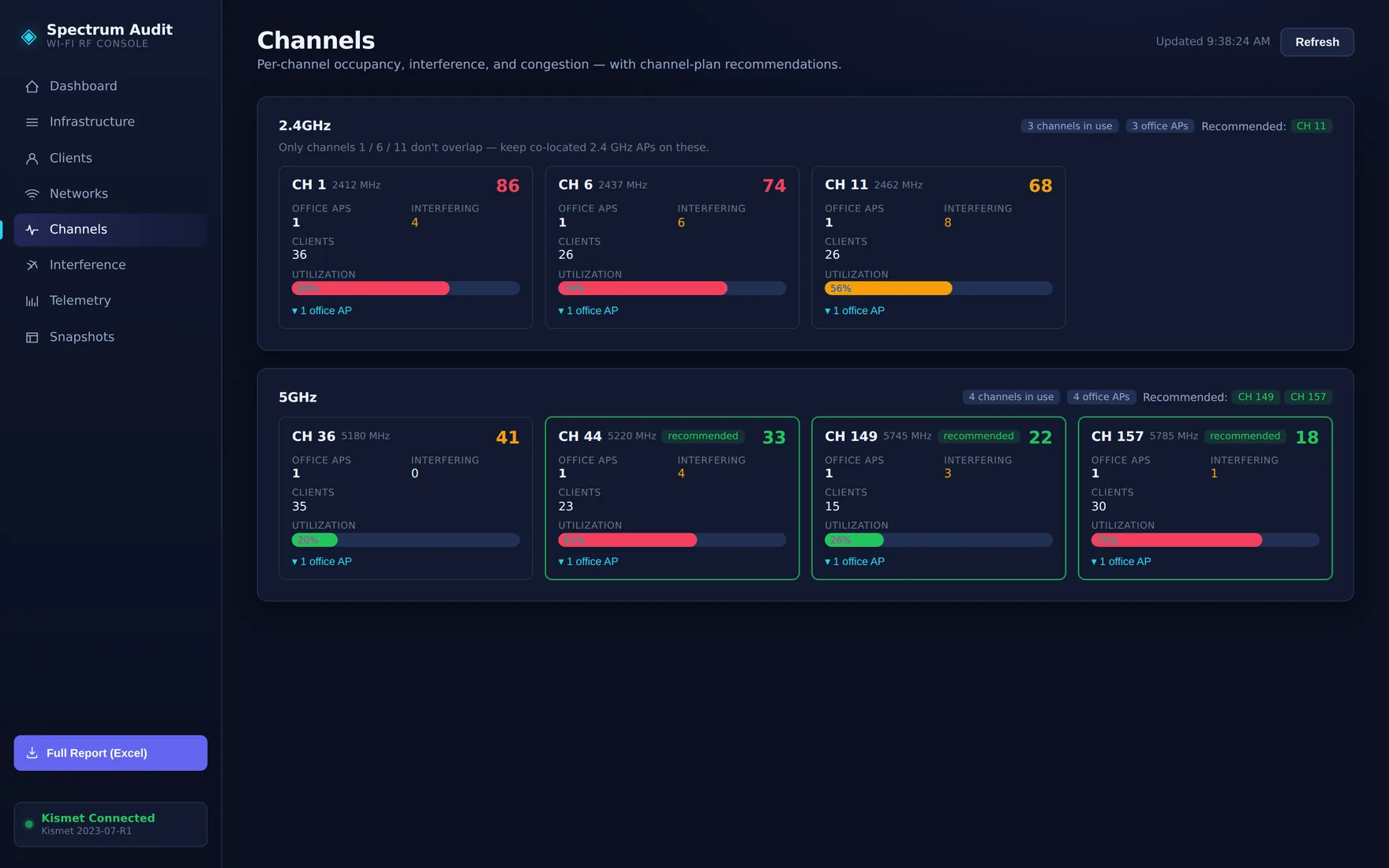
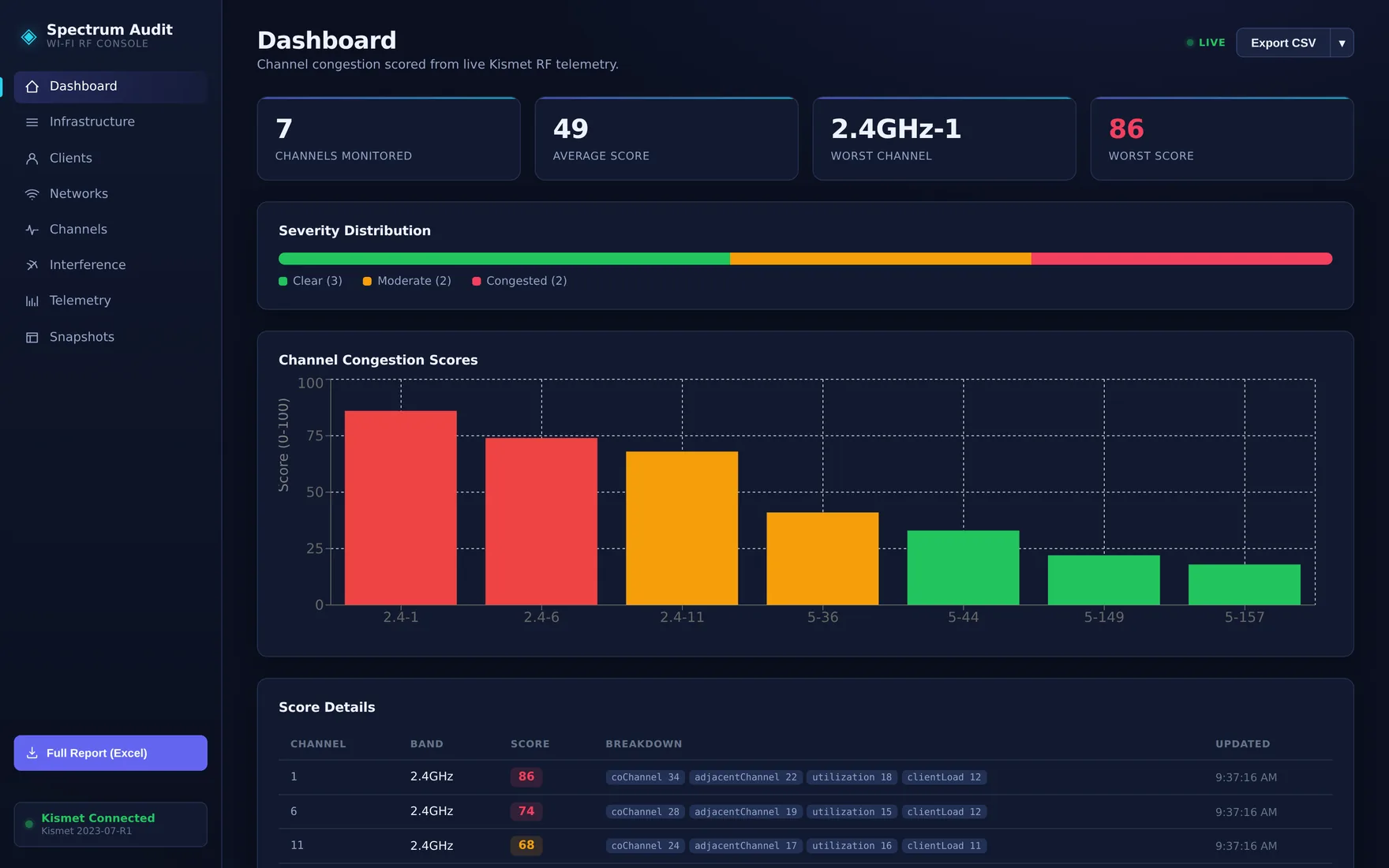
  4. Scoring engine weighs co-channel, adjacent-channel, utilization and client load into a 0–100 score, surfaced as a channel plan across a 7-AP fleet.
  5. Pentested internal networks alongside it with Wireshark, Burp Suite and Metasploit.
Vanguard dashboard: congestion scores per channel, severity distribution bar, and a scored bar chart across 2.4 and 5 GHz channels.
Congestion scoring — worst channel surfaced first
Vanguard channels view: per-channel cards grouped by band showing office APs, interfering APs, client counts, utilization bars and recommended channels.
Per-channel occupancy, with the recommended plan marked

ProjectsHands-on

Proj 01 · case file

EDITA

  • Fastify
  • TypeScript
  • PostgreSQL
  • Redis
  • React
  • Docker
  • k3s
  1. Jeopardy CTF with teams and events, an append-only scoring ledger and a cached scoreboard on Redis.
  2. Anti-cheat designed into the challenge: per-team watermarked flags with flag-sharing detection, instead of bolted-on checks.
  3. Containerised with Docker and deployed on k3s, with CI/CD test and scan gates. Still in development.
Proj 02 · case file

Seal Trace

  • Python
  • PyTorch
  • C
  • CUDA
  • MPI
  • OpenMP
  • Video Seal
  1. Each student gets a unique Tardos fingerprint code hidden in the video with Meta's Video Seal watermark.
  2. 6.1e8 Monte Carlo trials put false accusations under 6.8e-7 for 68 students; at least one colluder is caught in every trial.
  3. GPU Monte Carlo at 2.0M leaks/s, with MPI, OpenMP and a tiled CUDA kernel on the CPU side. Measured on one lecture video so far.
Proj 03 · case file

F1 Predictor

  • Python
  • LightGBM
  • MLflow
  • pandas
  • pytest
  1. Adaptive Elo ratings that learn faster after regulation changes, feeding a LightGBM ranker plus a DNF classifier.
  2. Staged MLflow sweeps over Elo, features and hyperparameters score Spearman 0.747 on the 2024 holdout.
Proj 04 · case file

Yxorp

  • Go
  • net/http
  • Prometheus
  • Grafana
  • Docker
  1. Round-robin balancing across health-checked backends, with no third-party proxy library on the request path.
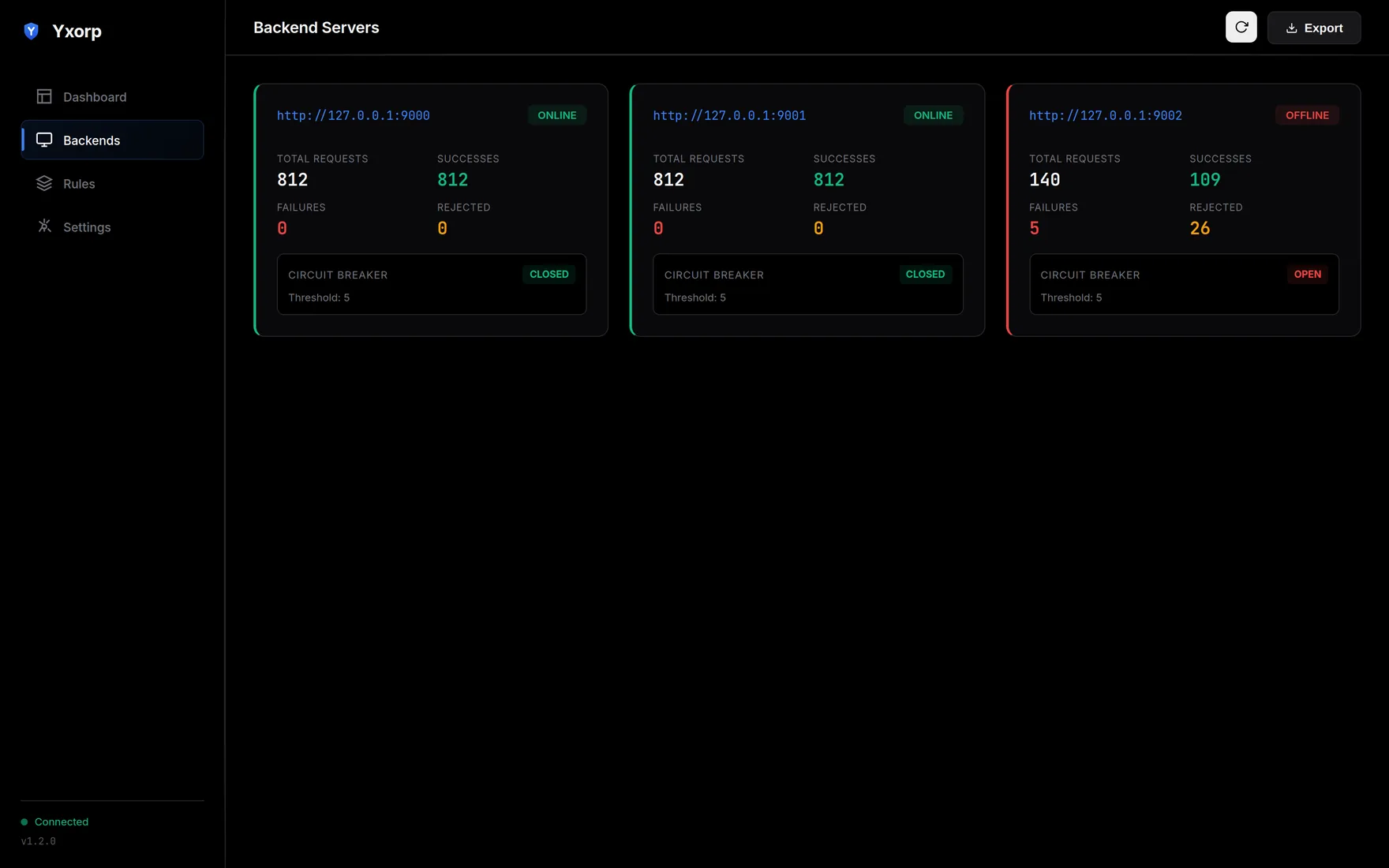
  2. Per-backend circuit breakers that self-heal through half-open probes, so one dead backend is isolated instead of taking the pool down.
  3. Per-IP token bucket limiter and streaming body-size limits (`MaxBytesReader`) that reject oversized uploads before they are buffered.
  4. 39 rules covering SQLi, XSS, traversal, SSRF, XXE, deserialization and more, plus 15 blocked scanner user-agents — hot-reloaded and validated before they replace the live set.
  5. Metrics exported to Prometheus with a Grafana stack, and a dashboard SPA embedded in the binary with zero CDN dependencies.
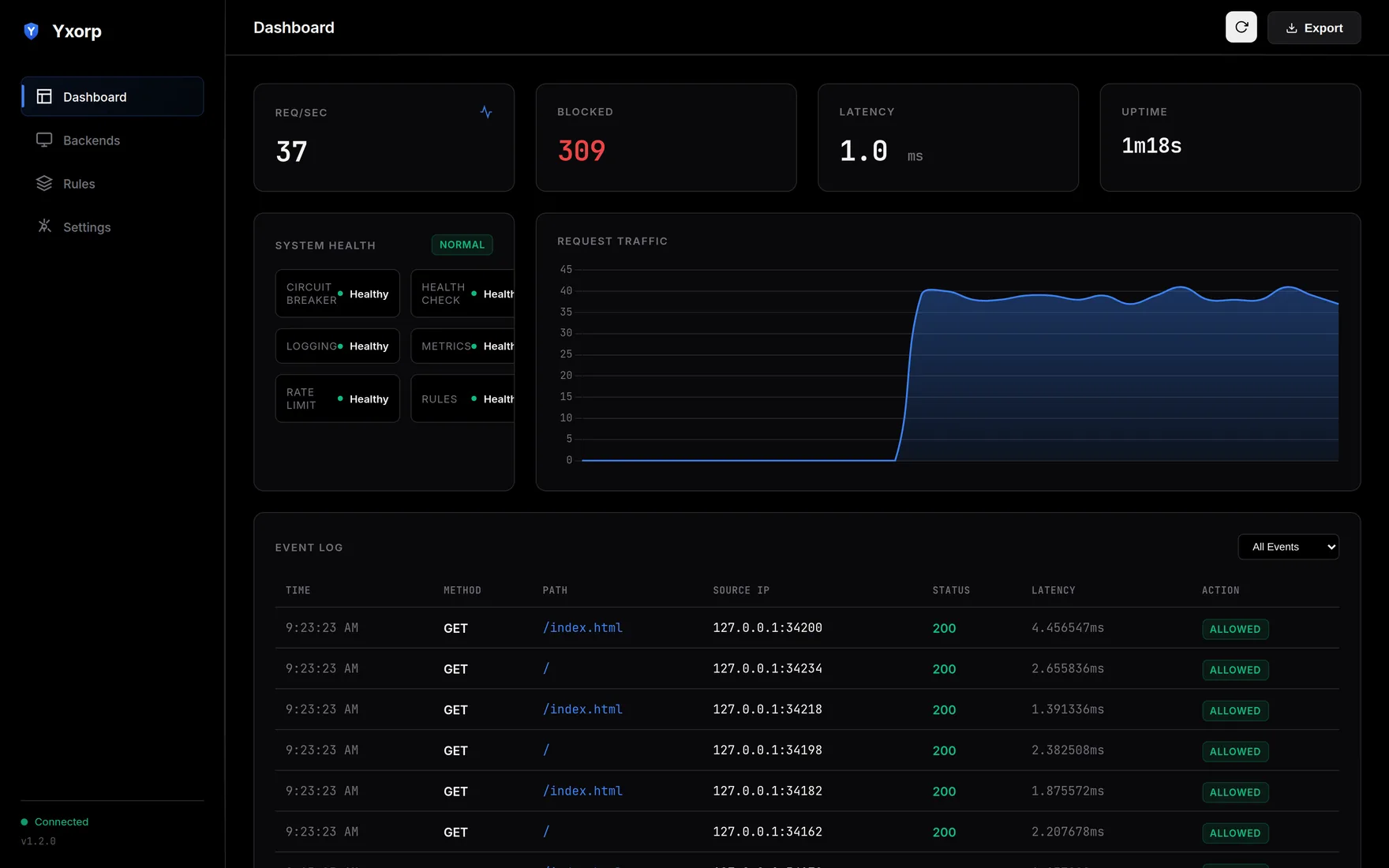
Yxorp dashboard: requests per second, blocked request count, latency, uptime, component health grid, live request traffic chart and an event log.
Live traffic, blocked requests and per-request event log
Yxorp backends view: three backend cards, two online with closed circuit breakers and one offline with an open circuit breaker after five failures.
One backend killed mid-run — its breaker trips open, the pool keeps serving
Proj 05 · case file

Policy Desk

  • Next.js 16
  • Expo 56
  • Supabase
  • React Native Paper
  • Vitest
  • Playwright
  1. Next.js 16 App Router dashboard and an Expo 56 React Native app sharing one Supabase Postgres backend and one auth model.
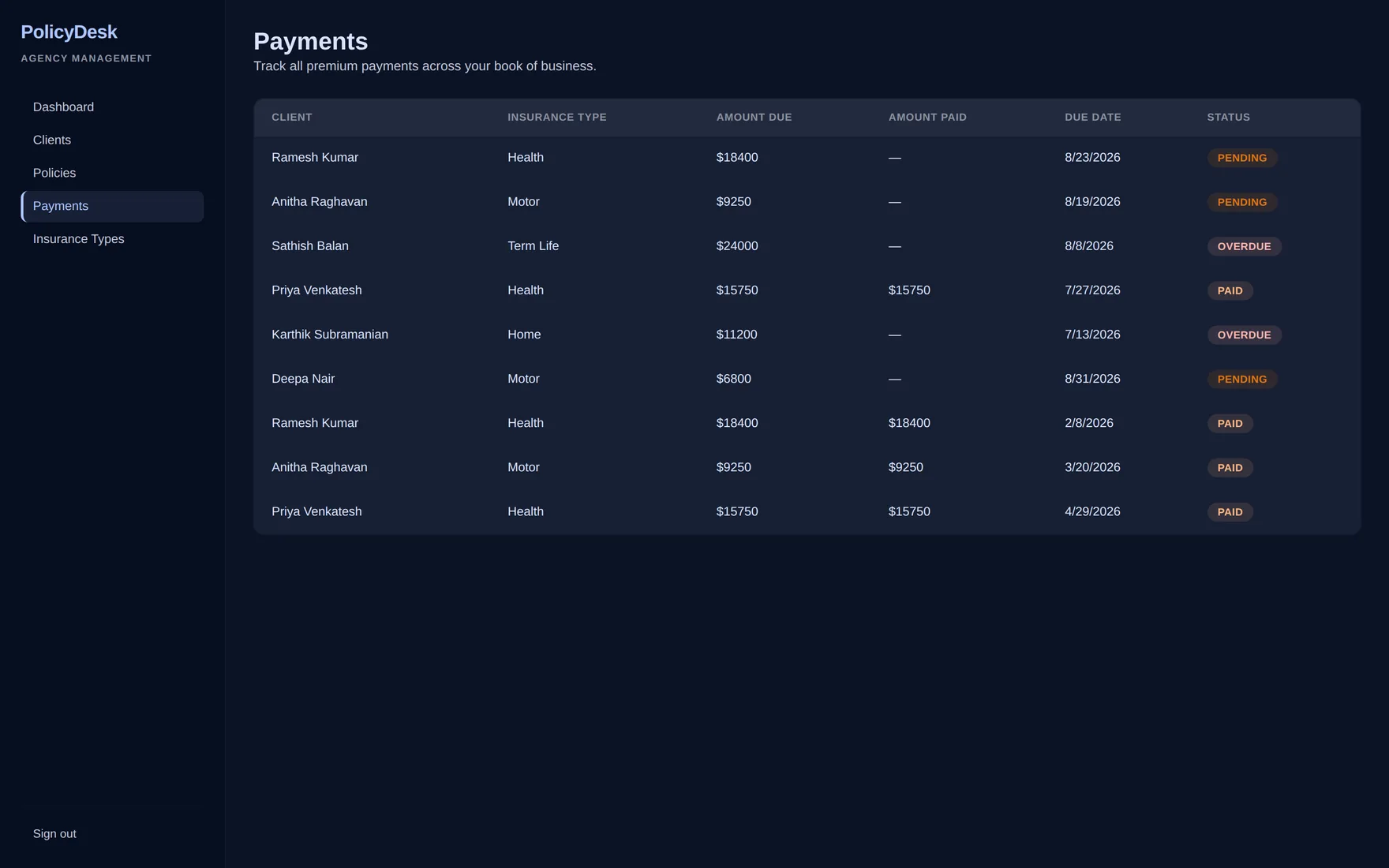
  2. Clients, policies, insurance types and payments modelled as linked records, with status filters and a mark-as-paid action.
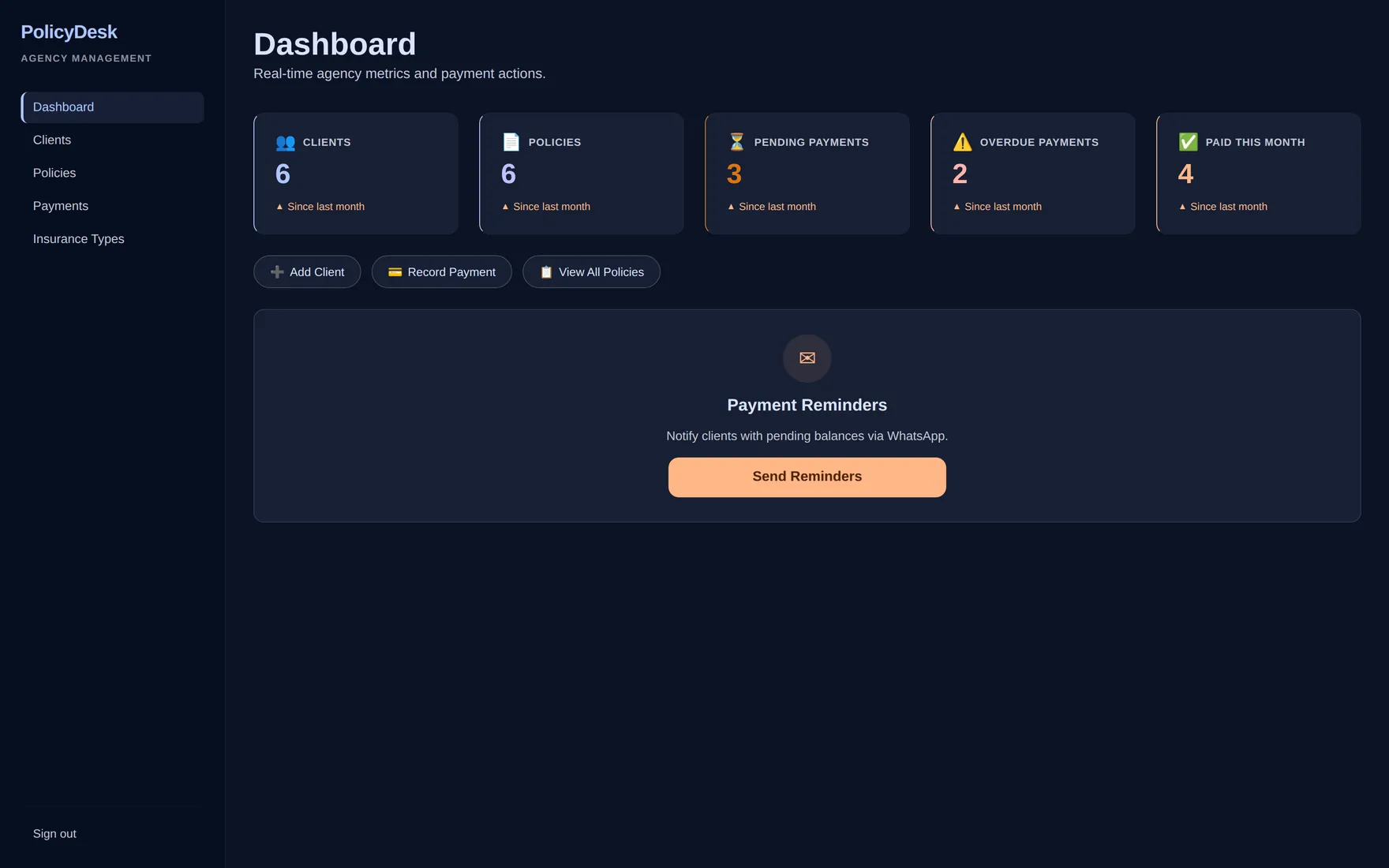
  3. One-click WhatsApp reminder dispatcher over pending-payment records, with retry and send logging — cutting manual follow-ups.
  4. Tested with Vitest, RNTL and Playwright across both surfaces.
PolicyDesk dashboard: counters for clients, policies, pending payments, overdue payments and paid this month, plus a WhatsApp payment reminder action.
Agency dashboard — the reminder dispatcher lives here
PolicyDesk payments table listing client, insurance type, amount due, amount paid, due date and pending, overdue or paid status badges.
Payment ledger with pending / overdue / paid states
Proj 06 · case file

MuSync

  • Flask
  • Celery
  • Redis
  • PostgreSQL
  • React
  • Docker
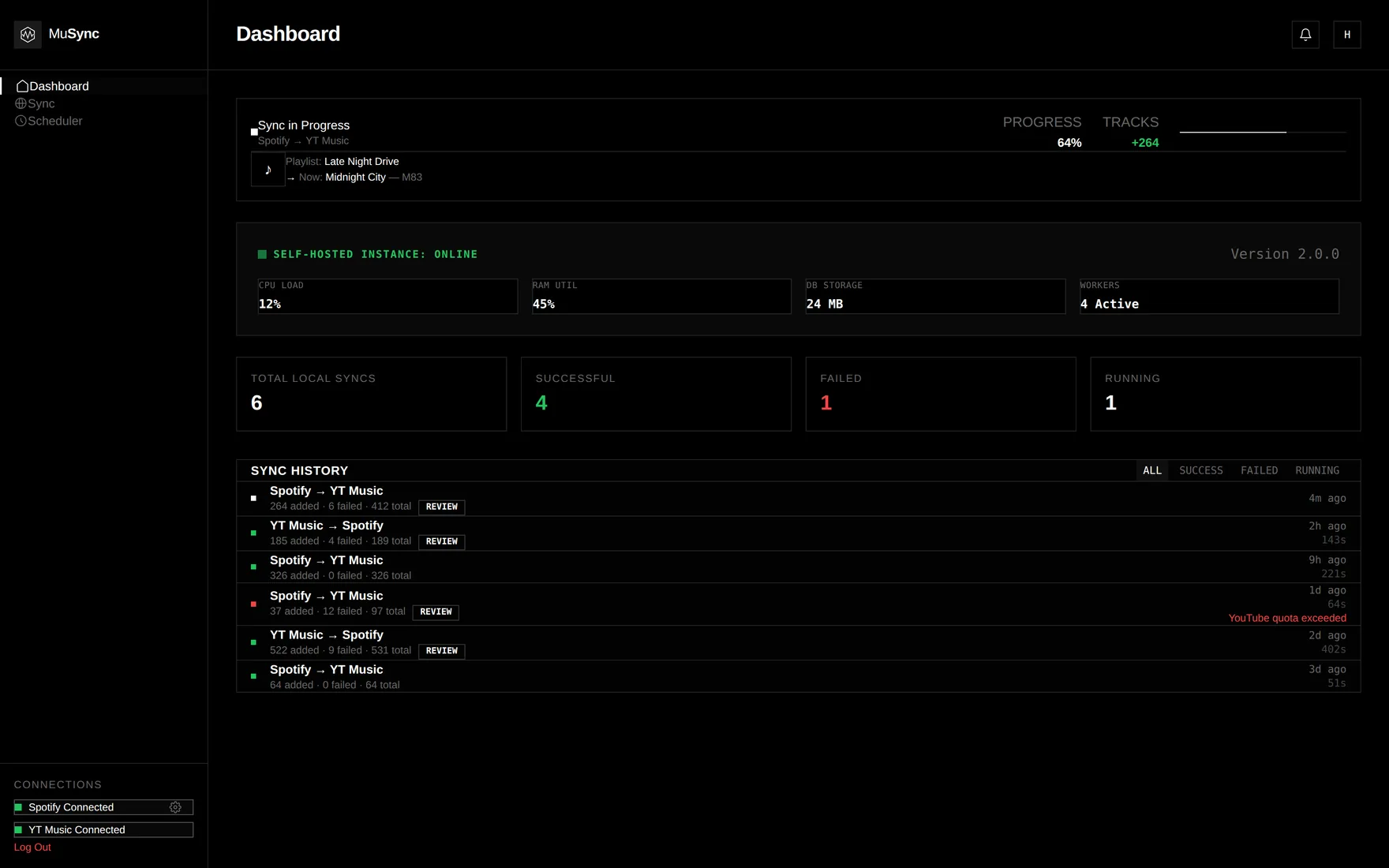
  1. Flask and React over Celery and Redis, so a sync is a detached background job the UI can watch rather than a request that has to finish.
  2. Hybrid matcher: weighted RapidFuzz scoring on title, artist and duration, backed by average-hash comparison of album art when the text is ambiguous.
  3. Low-confidence matches route to a review queue with ranked candidates instead of guessing; checkpoints let a failed sync resume where it stopped.
  4. Redis sorted-set sliding-window rate limiter with an in-memory fallback, so parallel workers never trip the upstream APIs together.
  5. Ships as one Docker build that runs Alembic migrations and starts a worker on boot.
MuSync dashboard: an in-progress sync banner with track-level status, self-hosted instance health, sync counters and a sync history list.
Sync in progress, track by track, with per-job history

CTFs & hacksPodiums

Toolkit, dumped. Grab one and throw it.

Let’s build
something.